
The Signals Before the Sentence
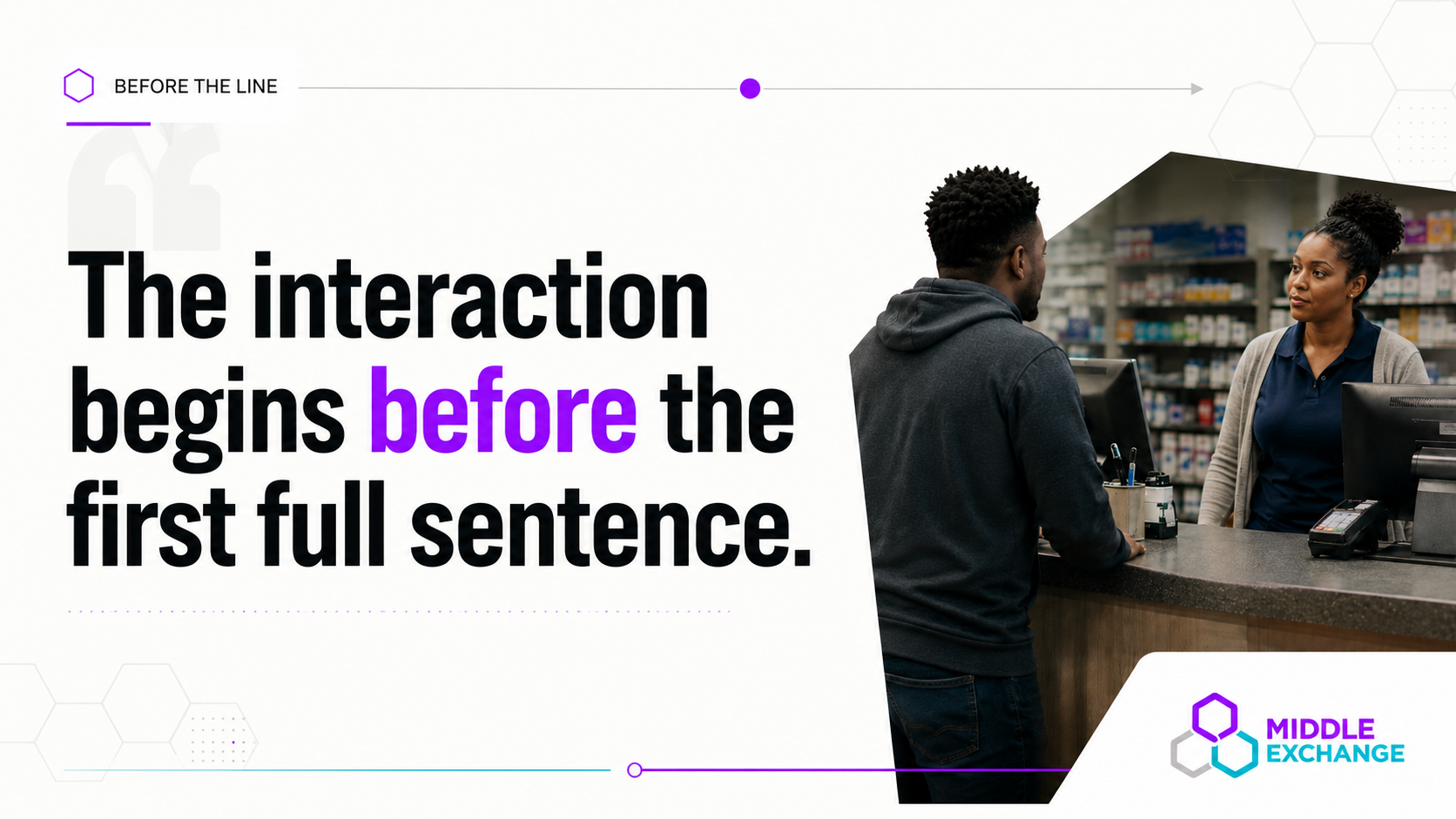
The interaction begins with a simple observation: tone, responsiveness, facial expression, body language, availability, and energy are processed as one pre-verbal service signal. It is easy to dismiss these as personality traits or communication style. In reality, they become the moment where customers begin interpreting the condition of the entire operation through a single visible human exchange.
Customers never have access to the full operation. They do not see staffing decisions, interruptions, delayed responses, policy constraints, handoffs, competing priorities, or missing information. They experience the outcome through what is visible to them: pace, posture, clarity, acknowledgment, emotional control, and whether the environment appears ready to include them.
Long before a conversation develops, people begin reading energy. They quietly assess whether someone is available, distracted, rushed, confident, overwhelmed, or genuinely present. These judgments happen quickly and often without conscious thought. By the time the first full sentence is spoken, many expectations have already been formed.
The useful insight is not that every interaction should become a performance. It is that interpretation is already taking place whether an organization intentionally designs for it or not. Customers naturally combine visible behaviors into a single impression of service readiness.
This becomes especially important in retail stores, restaurants, pharmacies, service desks, food stalls, pickup locations, and other customer-facing environments where operational pressure can become visible in seconds. Customers begin interpreting availability, posture, expression, and emotional energy before formal service begins. The pressure they perceive may have originated elsewhere in the business, but it is often attributed to the person standing in front of them.
For leaders, the first responsibility is observation. Stand where the customer stands. Watch what happens immediately before the interaction begins. Look for recurring interruptions, unclear ownership, awkward movement, missing information, uncertainty about where to go, or visible pressure without an obvious path to recovery. When viewed this way, behavior becomes operational data rather than simply individual performance.
The practical shift is straightforward: audit the first ten seconds from the customer’s point of view and make availability easy to recognize. This is not about demanding constant cheerfulness or rehearsed friendliness. It is about protecting clarity, dignity, and human presence while people continue doing real work under real operating conditions.
The interaction begins before the first full sentence. That matters because customers rarely separate the person from the organization behind them. The employee, the process, and the atmosphere arrive together as one experience. A small improvement during those opening moments can change how the entire business is remembered.
People experience organizations one moment at a time. The question for leaders is not whether pressure exists, it always will. The question is whether the next interaction helps people move through that pressure without losing confidence or trust.
Stand at the approach point. Observe the first ten seconds. They often explain far more than the conversation that follows.
Enjoyed this checkpoint? Share it.
Comments
Sign in to join the conversation.
- No comments yet — be the first.